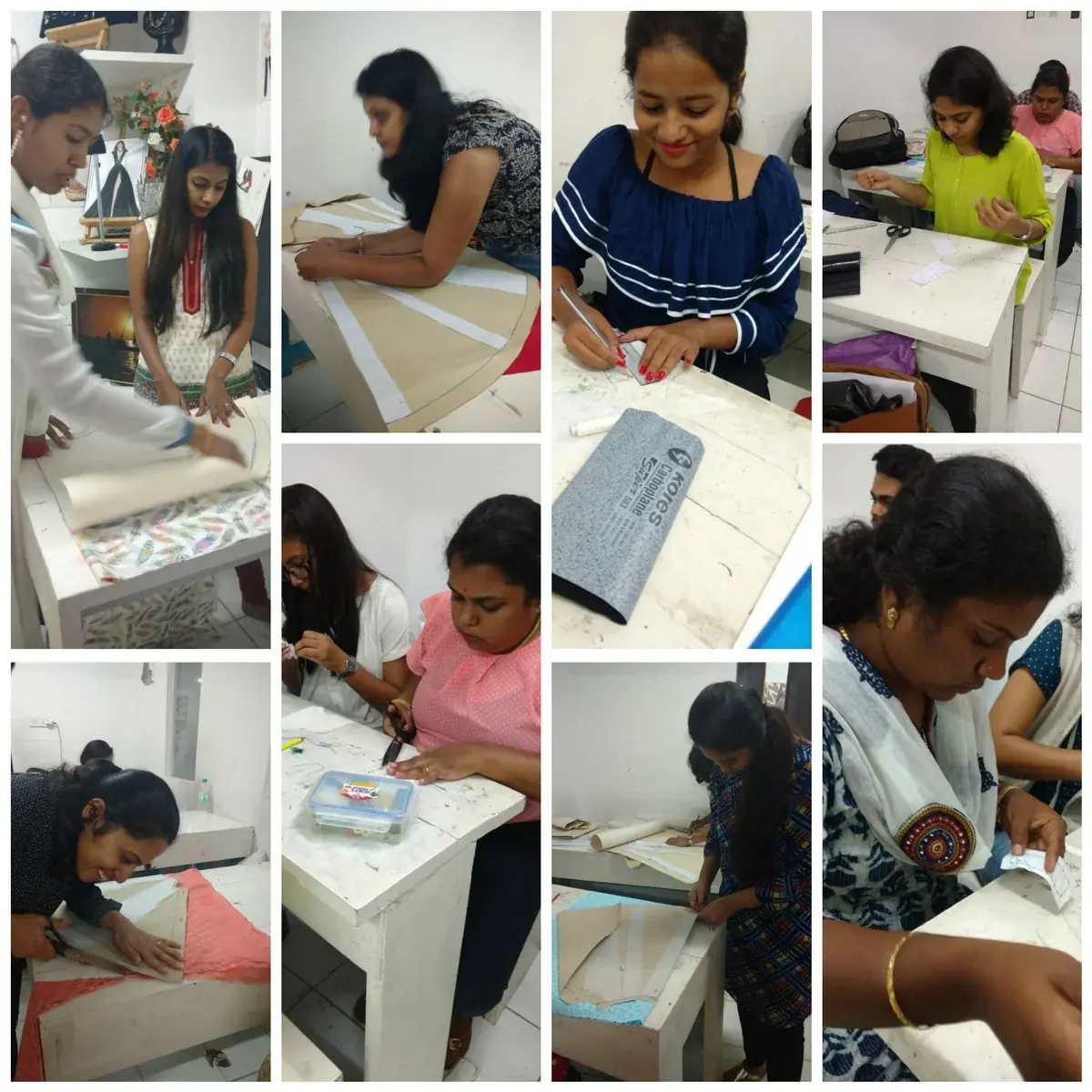
A beginner's sewing toolkit: decide what you need before buying
Separate essential hand tools, course-provided equipment and later purchases. Check the class list before spending on a machine or specialist kit.
Read Practical GuideCurriculum & Craft Editorial Desk
The editorial publishing desk at Vidya Fashion Academy in Bengaluru, sharing verified pattern drafting techniques, boutique costing guides, and curriculum insights from our studio atelier.
Separate essential hand tools, course-provided equipment and later purchases. Check the class list before spending on a machine or specialist kit.
Read Practical Guide βCompare fashion courses by what you will make, feedback, timetable, total cost and credential. Use a practical shortlist before visiting a campus.

Read Practical Guide βConfirm the instructor, prerequisites, dates, venue, costs and materials before booking travel for a specialist fashion workshop.
Read Practical Guide βUse a clear order record for design choices, fabric, measurements, fittings, price and changes before accepting a custom garment commission.
Read Practical Guide βCheck fabric behaviour, width, matching, care and usable length before buying project material. Keep a useful swatch and purchase record.
Read Practical Guide βPlan a return to fashion learning around class hours, practice, household support and costs, with clear questions for the course counsellor.
Read Practical Guide βCompare your actual work hours with VFA's weekday classes, commuting and practice needs before committing to an in-person fashion diploma.
Read Practical Guide βA beginner's guide to the skills you can learn, the questions to ask a course provider, and how to test a realistic learning routine.
Read Practical Guide βPlan tuition, materials, travel and practice costs for a fashion course. See VFA's published indicative fees and what to ask before paying.
Read Practical Guide βPlan a fashion portfolio that shows your brief, material choices, pattern development, fitting corrections and finished work with clear attribution.
Read Practical Guide βCompare a fashion diploma, degree and short course by learning scope, commitment and credential. Check each provider's actual entry requirements.
Read Practical Guide βCompare styling briefs and garment design work, see where the skills overlap, and ask course questions that match the work you want to practise.
Read Practical Guide βPlan a college-hosted Shingo Sato workshop around learning level, facilities, dates, travel responsibilities and written confirmation with VFA.
Read Practical Guide βChoose a fashion learning format by the feedback you need, access to equipment, practice time and the specific skill you want to develop.
Read Practical Guide βUnderstand how a design becomes a pattern and then a fitted garment, and use those differences to choose the right learning support.
Read Practical Guide βBuild a garment quote from materials, working time, overhead and order scope. Use an illustrative calculation and check your own costs.
Read Practical Guide βReview your sewing, pattern and fitting foundations before an advanced TR workshop, and prepare useful questions for the instructor.
Read Practical Guide βCheck your making skills, workspace, order process and cost assumptions before taking on the commitments of a home boutique.
Read Practical Guide βLearn what a test garment can reveal about fit, movement and construction, and why fabric choice still matters when you move to the final garment.
Read Practical Guide βFind the VFA Maps listing, confirmed visitor hours and official contacts, plus a practical checklist for comparing the courses during your visit.
Read Practical Guide βLook for garment-making skills alongside costing, client records, sourcing and production planning when comparing boutique management courses.
Read Practical Guide β
Understand Shingo Sato's TR approach, the role of a fitted toile, and the skills to discuss before choosing specialist pattern-cutting training.
Read Practical Guide β
Compare VFA's two one-year diplomas by garment focus, class commitment, fees and portfolio work before requesting a studio visit.
Read Practical Guide β
Prepare for a first custom garment order with a clear brief, fabric checks, fitting plan, price, time estimate and written client agreement.
Read Practical Guide β